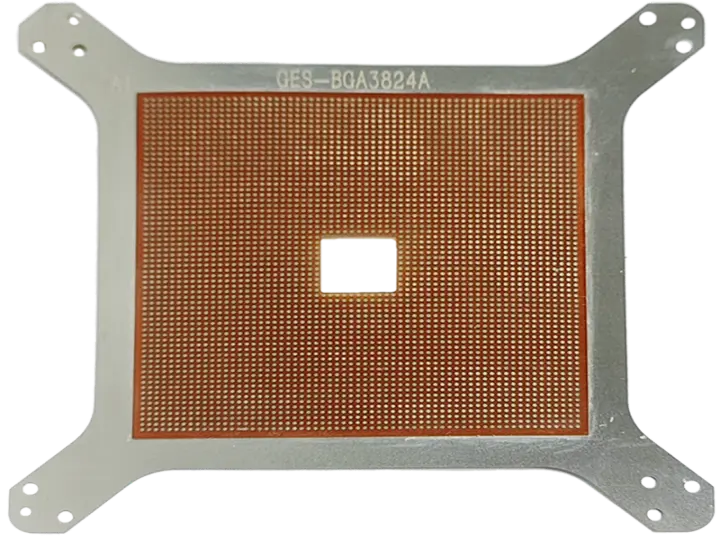
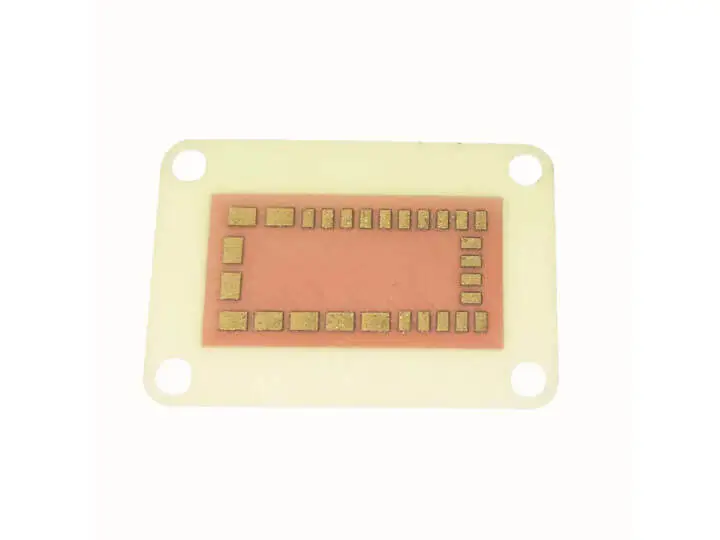
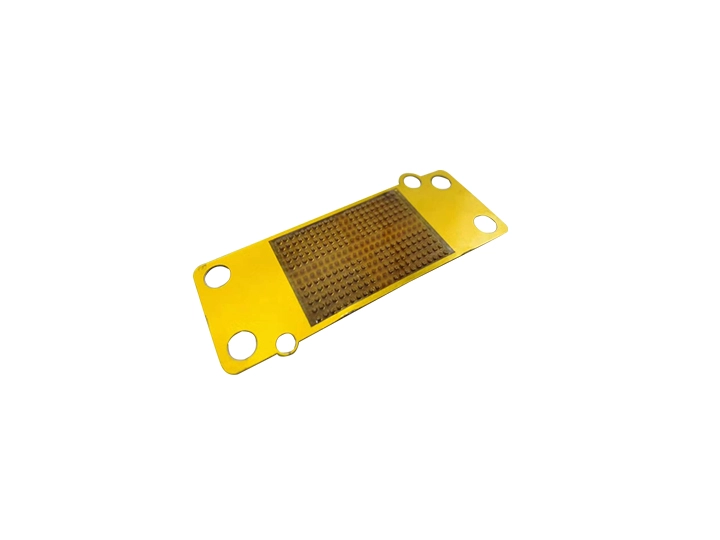
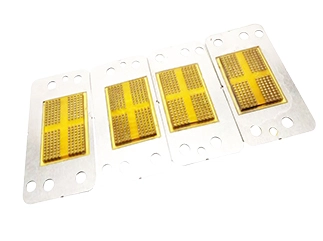
Board connectors are essential components in modern electronic systems, enabling reliable electrical and mechanical connections between printed circuit boards (PCBs), wires, and electronic modules. As electronic devices become smaller and more powerful, connector selection directly affects signal integrity, power delivery, durability, and manufacturing efficiency. Engineers need to consider factors such as pitch size, current capacity, operating environment, and testing requirements when choosing the right connector solution. For companies like Interposer, which specializes in advanced electrical interconnection technologies, understanding different board connector types helps engineers select reliable connection solutions for semiconductor testing, consumer electronics, automotive systems, and industrial applications. Advanced solutions such as conductive interposer technology provide stable electrical contact and support high-density electronic connection requirements.
Board connectors are electrical components designed to establish detachable connections between circuit boards, cables, or electronic modules while maintaining stable signal and power transmission.
The major board connector categories include:
| Connector Type | Definition | Typical Applications |
|---|---|---|
| Board-to-Board Connector | Connects two PCBs directly | Smartphones, servers, industrial equipment |
| Wire-to-Board Connector | Connects wires or cables to PCBs | Power systems, automotive electronics |
| Board-to-Wire Connector | Provides PCB connection through cable assemblies | Control systems, embedded devices |
| High-Speed Board Connector | Designed for high-frequency signal transmission | Data centers, communication equipment |
| Test Socket Connector | Enables temporary electrical contact during testing | Semiconductor testing and production |
In addition to traditional board-to-board and wire-to-board solutions, engineers also need to consider specialized connection methods such as IC to PCB connector technologies, which are designed to improve reliability between integrated circuits and printed circuit boards. Among these types, board-to-board connectors are widely used in compact electronic devices because they reduce wiring complexity and save space. For advanced semiconductor and electronic testing applications, Interposer provides precision connection solutions such as conductive interposer technology, which enables reliable electrical contact without traditional soldering methods.
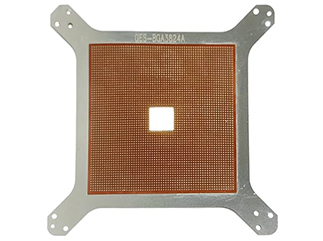
Different board connector types vary in structure, performance, and application requirements, making selection dependent on electrical, mechanical, and environmental factors.
The following comparison highlights the differences:
| Feature | Board-to-Board | Wire-to-Board | High-Speed Connector | Interposer Connector |
|---|---|---|---|---|
| Main Connection | PCB to PCB | Wire to PCB | High-frequency PCB connection | Temporary or direct contact |
| Space Efficiency | Excellent | Medium | Excellent | Excellent |
| Signal Integrity | High | Medium | Very High | Very High |
| Assembly Method | Plug-in / solder | Crimp / solder | Precision mounting | Compression contact |
| Typical Pitch | 0.3–2.54 mm | 1.0–5.08 mm | 0.4–1.27 mm | Customized |
| Common Uses | Mobile devices, modules | Power and control systems | Servers and networking | Semiconductor testing |
When designing high-performance electronics, engineers must evaluate:
Pitch size: Smaller pitches support higher component density.
Current rating: Determines power handling capability.
Insertion cycles: Important for frequently connected systems.
Signal frequency: Critical for high-speed applications.
According to the International Electrotechnical Commission (IEC) and industry organizations providing PCB design and electronics manufacturing standards, connector performance evaluation involves factors such as electrical characteristics, mechanical durability, manufacturing reliability, and environmental performance.
Selecting the right board connector requires balancing electrical performance, mechanical requirements, environmental conditions, and manufacturing considerations. For compact consumer electronics, miniature board-to-board connectors are often preferred because they minimize space requirements. For industrial and semiconductor applications, higher reliability solutions are required. Interposer specializes in customized interconnection products, including elastomeric interposer solutions designed for high-density electrical contact applications.
Key selection factors include:
Engineers should evaluate:
Voltage and current capacity
Contact resistance
Signal frequency
Crosstalk performance
High-speed applications require connectors designed for signal stability. Poor connector selection can cause signal loss, interference, or system failure. For applications requiring high-density and precise electrical contact, solutions such as fine pitch rubber socket technology provide reliable connection performance for advanced electronic testing environments. Engineers can also refer to electrical measurement and testing research from NIST to better understand measurement accuracy and evaluation methods for advanced electronic systems.
Important mechanical factors include:
Connector size limitations
Mating cycles
Vibration resistance
Installation method
For semiconductor testing environments, specialized solutions such as GPU test socket systems provide precise alignment and repeatable electrical contact during device verification.
Board connector technologies are widely used across industries where reliable electrical connections are required between electronic components and systems.
Common applications include:
| Industry | Connector Applications |
|---|---|
| Consumer Electronics | Smartphones, tablets, wearable devices |
| Automotive | Vehicle control modules, sensors, battery systems |
| Telecommunications | Network equipment and servers |
| Industrial Automation | Controllers and monitoring systems |
| Semiconductor Manufacturing | IC testing and production equipment |
With increasing demand for smaller and faster electronic products, connector technologies continue evolving toward:
Higher density
Faster transmission speeds
Better thermal performance
Greater reliability
Interposer develops advanced connection technologies for applications requiring stable electrical performance, especially in semiconductor testing and high-density electronic assemblies.
Board connector types play a critical role in determining the reliability, performance, and scalability of electronic systems. From traditional board-to-board connectors to advanced interposer-based solutions, each technology has specific advantages depending on application requirements. Engineers should evaluate connector design based on electrical performance, mechanical durability, space limitations, and future system requirements. With expertise in precision interconnection technologies, Interposer provides customized solutions that support demanding applications including semiconductor testing, electronic manufacturing, and high-density circuit connections.
The most common types include board-to-board connectors, wire-to-board connectors, board-to-wire connectors, high-speed connectors, and test socket connectors.
A board-to-board connector connects two printed circuit boards directly, commonly used in compact electronic devices, embedded systems, and industrial equipment.
Connector selection depends on factors such as current capacity, signal speed, pitch size, operating environment, and mechanical requirements.
Traditional connectors usually use mating terminals, while interposers provide reliable electrical contact through compression-based connection technologies, often used in semiconductor testing.
Not necessarily. Smaller connectors save space but may have limitations in current capacity, mechanical strength, and durability depending on the application.
High-speed connectors maintain signal integrity in applications involving large amounts of data transmission, such as servers, communication systems, and advanced computing equipment.
IPC Association Connecting Electronics Industries: https://www.ipc.org/
National Institute of Standards and Technology (NIST): https://www.nist.gov/
NEXT