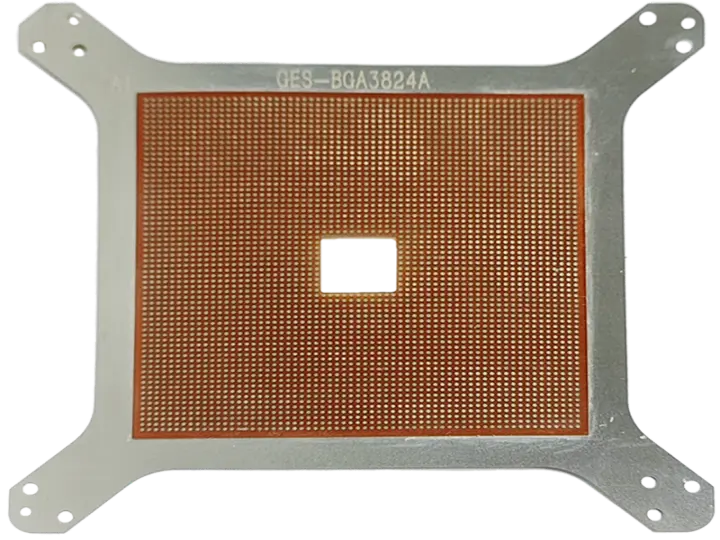
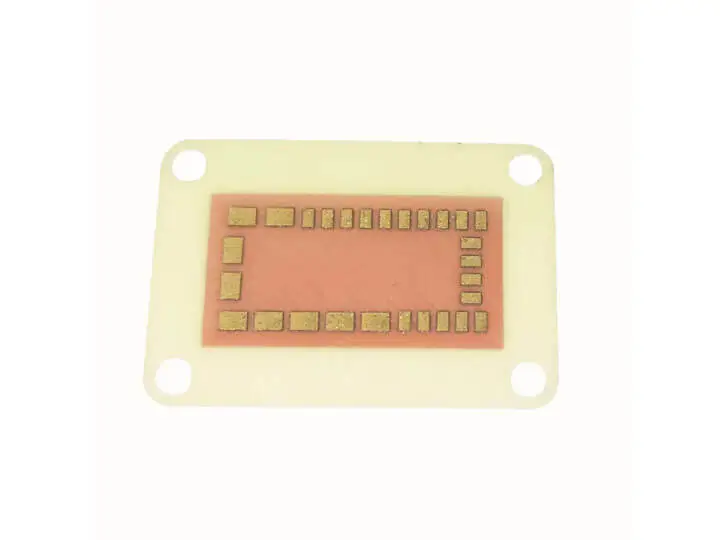
As semiconductor devices continue to become smaller and more complex, advanced interconnect technologies are essential for improving signal transmission, package integration, and testing performance. An interposer is an intermediate connection layer that provides electrical communication and mechanical support between different electronic components.
Depending on application requirements, interposers can be manufactured from different materials, including silicon, PCB, and elastomer. Each type offers different advantages in terms of signal performance, mechanical flexibility, cost, and integration capability.
Understanding the differences between these solutions helps engineers select the right interposer for semiconductor packaging, PCB integration, and device testing applications.
An interposer works as a bridge between two electronic components, enabling reliable electrical connections while providing accurate alignment. In semiconductor applications, it is commonly placed between chips, packages, substrates, or testing interfaces.
A dedicated IC interposer can support high-density connections during semiconductor packaging and device evaluation. Compared with direct connection methods, interposers provide greater flexibility in signal routing and mechanical adaptation.
As semiconductor packages continue moving toward higher integration density, interposer technologies have become increasingly important for advanced electronic designs. Industry organizations such as semiconductor package standards from JEDEC provide widely recognized specifications related to semiconductor packaging structures and technologies.

Different interposer materials provide different performance characteristics depending on the application.
| Type | Material | Advantages | Typical Applications |
| Silicon Interposer | Silicon wafer | High-density routing and precise connections | Advanced semiconductor packaging |
| PCB Interposer | PCB material | Flexible design and cost efficiency | Board-level integration |
| Elastomer Interposer | Conductive elastomer | Mechanical compliance and reusable contact | Testing and temporary connections |
A silicon interposer is mainly used for advanced packaging applications where dense signal routing and compact integration are required. It enables multiple chips to communicate efficiently within a limited space.
A PCB interposer provides a more flexible and economical approach for applications requiring customized routing and easier manufacturing.
An elastomer interposer offers mechanical flexibility because its conductive structure can adapt to surface variations while maintaining reliable electrical contact.
The internal structure of an interposer directly affects signal transmission, mechanical performance, and application suitability.
Different designs focus on different requirements:
Signal path design and transmission performance
Mechanical flexibility and compression capability
Contact density and pitch requirements
For high-density semiconductor applications, a chip interposer helps connect multiple components while supporting compact package structures. In testing environments, a compression interposer uses controlled mechanical pressure to maintain stable contact without permanent bonding.
As signal speeds continue increasing, maintaining electrical performance becomes more challenging. Engineers may need solutions optimized for high speed signal integrity to reduce signal loss and improve transmission reliability.
Different applications require different interposer structures. Semiconductor packaging focuses on high-density connections, PCB integration requires flexible routing, and device testing requires repeatable electrical contact.
Common application areas include:
Advanced semiconductor packaging
PCB integration and board-level connections
Semiconductor device testing
A semiconductor interposer is widely used in advanced packaging where multiple chips need efficient communication. For PCB-related applications, a PCB-based interposer can provide flexible routing between different circuit structures.
In testing environments, interposers allow engineers to evaluate devices without creating permanent connections. Their ability to provide repeatable contact makes them valuable for semiconductor verification and reliability testing.
An elastomer interposer is often selected when mechanical compliance and repeated contact performance are required.
Unlike rigid connection methods, elastomer materials can adapt to minor surface differences and maintain stable contact through controlled compression. This makes them suitable for semiconductor testing, prototype evaluation, and applications requiring frequent device replacement.
Elastomer solutions can reduce mechanical stress on sensitive components while maintaining reliable electrical performance. For testing applications where flexibility and durability are important, they can provide advantages over traditional rigid interfaces.
Selecting the right interposer requires evaluating electrical, mechanical, and application requirements. Engineers should consider several factors before choosing a suitable solution:
Signal speed requirements and electrical performance
Contact pitch and connection density
Mechanical compression requirements
Operating environment and durability
For board-level applications, engineers may compare interposer solutions with alternatives such as a fine pitch board to board connector.
Working with experienced PCB connector suppliers can also help determine whether an interposer or connector-based approach is more suitable for a specific design.
Interposers play an important role in modern semiconductor packaging, PCB integration, and device testing. Silicon, PCB, and elastomer solutions provide different advantages depending on signal requirements, mechanical conditions, and application goals. By evaluating material characteristics, contact performance, and integration needs, engineers can select the right interposer technology to improve reliability, flexibility, and overall system performance.
An interposer provides an electrical connection layer between different components while improving alignment and integration flexibility.
An IC interposer is used in semiconductor packaging, testing, and high-density electronic integration applications.
Silicon interposers focus on high-density semiconductor connections, while PCB interposers provide flexible and cost-effective routing.
Yes. Elastomer interposers are often used for repeated testing because they provide temporary and reliable contact.
Chip interposers help connect multiple semiconductor components while supporting advanced packaging designs.
Selection depends on signal requirements, package structure, contact density, mechanical conditions, and operating environment.
PREV