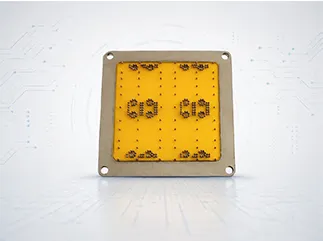
As semiconductor devices become smaller and more complex, reliability testing has become an essential step before mass production. Burn-in testing helps identify potential failures by operating devices under controlled stress conditions for an extended period.
Selecting the right burn-in test socket is critical because the socket directly affects electrical stability, testing accuracy, and long-term reliability. A suitable socket must achieve a balance between temperature resistance, contact performance, and package compatibility.
For semiconductor manufacturers, understanding how socket materials, contact structures, and device packages influence testing performance helps ensure more reliable test results and improved production efficiency.
A burn-in test socket is a specialized interface designed to hold semiconductor devices during long-duration reliability testing. Unlike standard functional test sockets, burn-in sockets must maintain stable electrical connections while exposed to extended operating periods, temperature changes, and repeated testing cycles.
During burn-in testing, semiconductor devices are operated under controlled conditions to detect early failures and improve overall product reliability. According to industry discussions on semiconductor reliability testing, reliability evaluation commonly involves stressing devices under controlled temperature, voltage, and operating conditions to identify potential weaknesses before products enter the market.
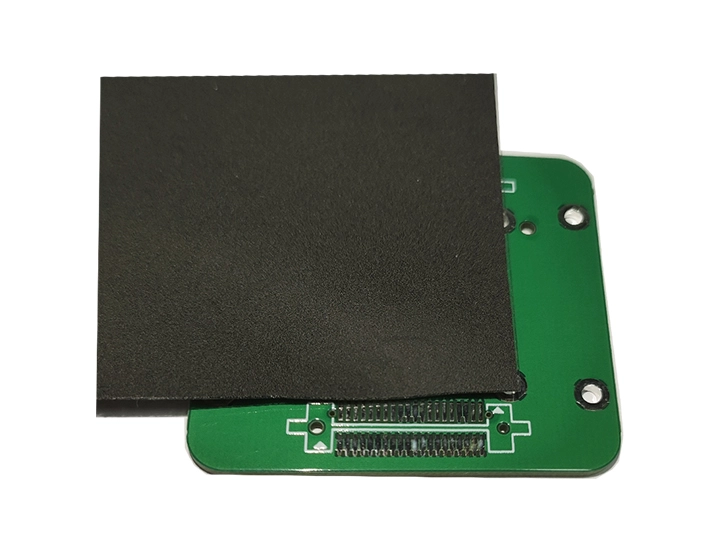
An IC burn in socket provides mechanical support and electrical connection between the semiconductor device and the test system. It must maintain consistent contact performance while protecting the device from mechanical damage throughout the testing process.
Burn-in applications usually require stronger durability compared with standard testing because sockets may need to support thousands of insertion cycles and extended temperature exposure.

Material selection plays an important role in determining burn-in socket performance. During long-duration testing, socket materials must maintain mechanical stability and electrical performance despite temperature variations.
Semiconductor testing at elevated temperatures requires careful material selection because thermal expansion and mechanical changes can affect contact reliability. The principles of thermal management in semiconductor devices are also important when evaluating long-term device performance.
Important considerations include:
Operating temperature range
Thermal expansion characteristics
Material durability during repeated cycles
Electrical insulation performance
The socket body, contact materials, and insulation components must work together to maintain accurate positioning and stable connections. Poor material selection may result in deformation, contact failure, or inaccurate test results.
A reliable burn in socket solution should be designed according to the actual temperature profile, testing duration, and semiconductor package requirements.
Contact performance directly affects the accuracy and stability of burn-in testing. Even small changes in electrical contact quality may influence test results, especially during extended reliability evaluations.
Contact resistance determines how efficiently electrical signals pass between the device and testing system. Meanwhile, contact force affects whether the connection remains stable during operation. Excessive pressure may damage the device package, while insufficient pressure may create intermittent connections.
Cycle life is another important factor because burn-in sockets are frequently inserted and removed during testing. A well-designed socket should maintain stable performance after repeated use.
High-quality test & burn in sockets are designed to provide consistent contact force, reliable signal transmission, and long service life under demanding semiconductor testing conditions.
Semiconductor package structure directly influences burn-in socket design. Different packages require different contact layouts, alignment methods, and mechanical support systems.
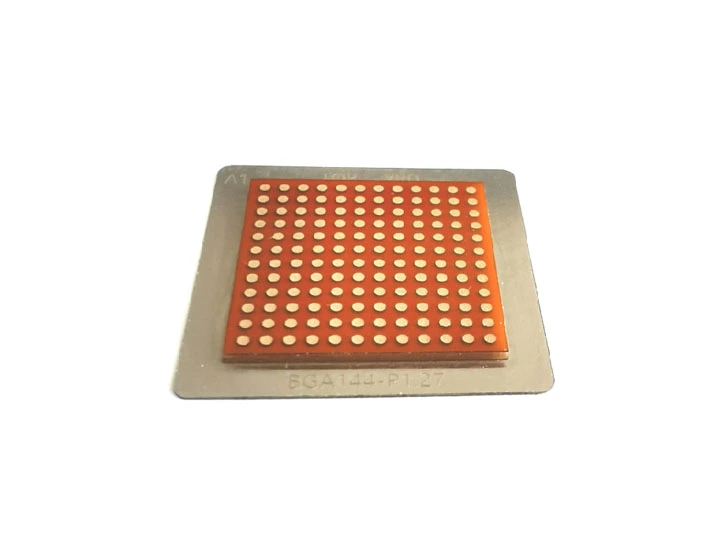
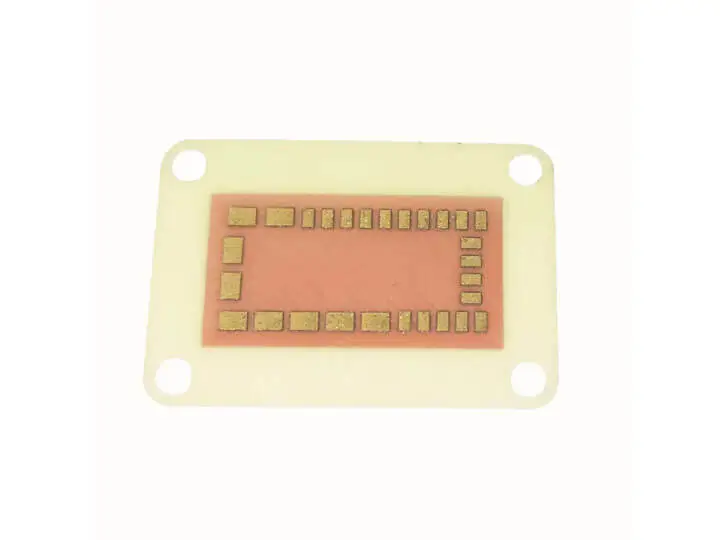
QFN, QFP, BGA, and other semiconductor packages have different contact structures. For compact packages, precise positioning becomes increasingly important because smaller contact areas create higher requirements for alignment accuracy.
For advanced semiconductor applications, a fine pitch IC solution requires accurate positioning and reliable contact technology to maintain stable electrical performance. For QFN packages, a dedicated QFN test socket helps achieve precise alignment and stable electrical contact during repeated reliability testing.
Key factors affecting socket reliability include:
Package dimensions and contact layout
Pitch requirements
Load board alignment accuracy
Device positioning mechanism
For example, an IC burn in socket designed for fine-pitch devices must ensure accurate alignment between the package contacts and the test interface. Small positioning errors may lead to unstable connections or reduced socket lifetime.
Burn-in sockets and functional test sockets both provide electrical connections between semiconductor devices and testing systems, but they serve different purposes.
Functional test sockets are mainly used to verify whether devices operate correctly under normal conditions. They focus on electrical measurements, signal performance, and quick evaluation.
Burn-in sockets are designed for reliability testing under extended stress conditions. They require stronger durability, better temperature resistance, and stable contact performance over longer periods.
| Feature | Burn-in Socket | Functional Test Socket |
| Main purpose | Reliability testing | Functional verification |
| Testing duration | Extended operation | Shorter test cycles |
| Main requirement | Temperature resistance and durability | Electrical accuracy |
| Key consideration | Long-term contact stability | Testing speed |
In semiconductor manufacturing, automated test equipment (ATE) is widely used for electrical testing and device characterization. However, burn-in testing focuses more on long-term reliability evaluation rather than only functional verification.
Choosing between test and burn in sockets depends on the testing stage, package type, and required operating conditions.
Selecting the right burn-in socket requires detailed technical information about the semiconductor device and testing environment. A complete RFQ allows manufacturers to evaluate mechanical structure, materials, and contact requirements more effectively.
Important information includes:
Package drawing and dimensions
Pin layout and pitch
Temperature requirements
Load board information
Testing duration
Expected test cycles
Working with experienced burn in socket manufacturers helps semiconductor companies develop suitable solutions for different package structures and reliability requirements.
A professional supplier should understand semiconductor packaging, contact technology, and testing conditions to recommend the most appropriate socket design.
Choosing the right burn-in test socket requires careful consideration of temperature capability, contact reliability, and package compatibility. As semiconductor devices continue moving toward smaller packages and higher performance requirements, socket design plays an increasingly important role in ensuring accurate reliability testing. A properly selected socket can improve testing consistency, extend service life, and support more efficient semiconductor production.
A burn-in test socket holds semiconductor devices during extended reliability testing under controlled stress conditions.
Burn-in sockets are designed for longer testing periods and require higher durability, temperature resistance, and contact stability.
Stable contact resistance helps maintain accurate electrical measurements and prevents failures caused by unstable connections.
Yes. Specialized socket designs can support fine pitch IC applications that require precise alignment.
Material selection, contact structure, operating temperature, and insertion cycles all influence socket durability.
Manufacturers should evaluate supplier experience, customization capability, package support, and reliability requirements.